

Fixing C2128 Fault Code In Chrysler Dodge Jeep Ram Vehicles
You’re experiencing the frustrating C2128 fault code on your Chrysler, Dodge, Jeep, or RAM vehicle, and you’re looking for a clear explanation of what it means and how to fix it. This code often relates to the Tire Pressure Monitoring System (TPMS) or the Anti-Lock Braking System (ABS) module, and it’s essential to identify the root cause to avoid costly repairs. Let’s dive into the specifics of the C2128 code and walk through the diagnostic process to help you resolve the issue.
The C2128 code specifically indicates a ‘Sensor Supply Voltage Low’ condition, which can be caused by a faulty sensor or a wiring issue. This code is typically associated with the ABS and TPMS systems, and it’s essential to check the sensor supply voltage to determine the root cause of the problem.
C2128: Sensor Supply Voltage Low
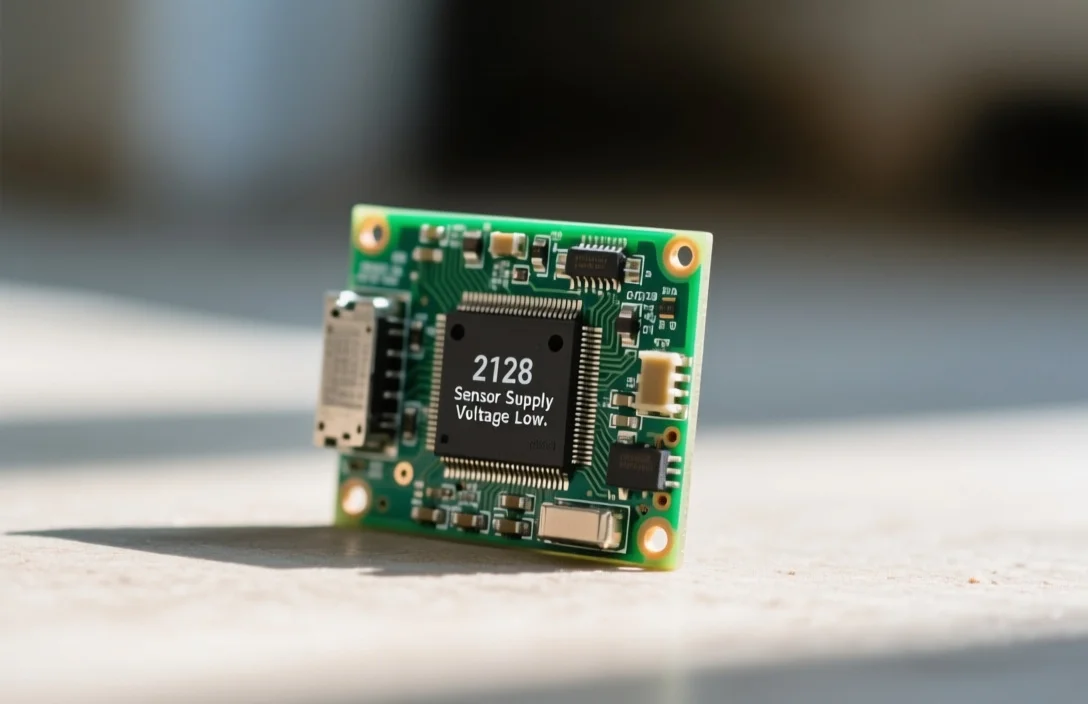
The C2128 trouble code indicates that your vehicle’s computer has detected low voltage supply to one of its critical sensors, most commonly found in the Tire Pressure Monitoring System (TPMS) or Anti-lock Braking System (ABS). This voltage drop can prevent sensors from operating correctly, potentially triggering warning lights and compromising vehicle safety systems.
What C2128 Means For Your Vehicle
When your vehicle’s onboard diagnostics system registers C2128, it means the sensor supply voltage has dropped below the manufacturer’s specified threshold. This typically occurs when there’s excessive resistance in the electrical circuit, a failing power supply module, or a damaged wiring harness that supplies power to the sensor.
The symptoms of C2128 can vary depending on which sensor is affected, but common indicators include illumination of the TPMS warning light, ABS warning light, or reduced functionality of safety systems. In some cases, you might experience erratic behavior of dashboard displays or difficulty starting the vehicle if the issue affects critical engine sensors.
For example, in Chrysler vehicles, the C2128 code often appears when there’s an issue with the TPMS sensor supply circuit, which shares wiring with other critical systems.
In practice, this means a voltage problem in one area might affect seemingly unrelated systems due to shared electrical pathways.
Affected Vehicle Makes And Models
C2128 is most commonly associated with Chrysler Corporation vehicles, particularly those equipped with certain generations of TPMS or ABS systems. The code has been reported across various model years and configurations, though specific implementations may vary between model lines.
| Make | Common Models Affected | Model Years |
|---|---|---|
| Chrysler | 300, Sebring, Town & Country | 2007-2016 |
| Dodge | Charger, Avenger, Journey | 2008-2017 |
| Jeep | Wrangler, Grand Cherokee, Patriot | 2007-2018 |
| RAM | 1500, 2500, 3500 | 2009-2019 |
Pro Tip: When diagnosing C2128, always check for Technical Service Bulletins (TSBs) specific to your vehicle model and year. Chrysler has issued several TSBs addressing known sensor supply voltage issues that may provide manufacturer-approved repair procedures.
The complexity of diagnosing C2128 often requires specialized diagnostic equipment beyond basic OBD-II scanners. Professional technicians may need to perform voltage drop tests, check continuity in wiring harnesses, and verify the operation of power supply modules to accurately identify and repair the underlying issue.
Troubleshooting C2128: Diy Diagnostics
When diagnosing a C2128 code, start by checking the sensor circuit voltage at the ABS control module connector with a digital multimeter. This code indicates low voltage in the wheel speed sensor circuit, which typically points to either a failing sensor or wiring issues.
Using A Multimeter To Test Voltage
Set your multimeter to the 20V DC range. Backprobe the sensor signal wire at the ABS module while the ignition is on but the engine is off. You should see a reference voltage of approximately 5V. If voltage is low, check the power supply circuit at the fuse box for the ABS system.
For accurate testing, follow these steps:
Inspecting Wiring Harness For Corrosion Or Damage
Visually inspect the wiring harness from the ABS module to each wheel speed sensor for obvious damage, chafing, or corrosion. Pay special attention to areas where the harness may rub against sharp edges or moving components.
| Inspection Point | Common Issues | Solution |
|---|---|---|
| Wheel sensor connectors | Corrosion from road salt/moisture | Clean with electrical contact cleaner |
| Harness near suspension components | Chafing from vibration | Repair with heat shrink tubing |
| Ground connections | Loose or corroded terminals | Clean and tighten connections |
If voltage tests normal but the code persists, the issue may lie in the ABS module itself. In such cases, professional diagnosis is recommended as module replacement can be complex and expensive.
Sensor Supply Voltage Low Causes And Symptoms
 A low supply voltage to a sensor can be caused by a faulty or malfunctioning Module or a wiring issue in the circuit.
Corrosion raises resistance by forming a barrier between the conductor and the surrounding environment. When corrosion occurs on a wire or connector, it can cause a drop in voltage, leading to a c2128 fault code. In addition, a faulty or malfunctioning ABS or TPMS module can also cause a low supply voltage, as these modules require a specific voltage to operate correctly.
When a sensor supply voltage is low, the affected system will not function properly, leading to a range of symptoms. In the case of a c2128 fault code, the symptoms may include:
In practice, a low supply voltage can lead to a range of issues, from minor annoyances to major safety concerns.
For example, if the ABS or traction control system is malfunctioning due to a low supply voltage, it may cause the vehicle to lose traction or skid, leading to a loss of control.
Repair Steps For C2128: Module Reset Or Sensor Replacement
A low sensor supply voltage error is usually corrected by fixing a wiring short to ground or replacing a failed wheel speed sensor. A module reset helps clear the fault memory but will not fix a physical electrical short in the harness.
Module Reset Procedure
Resetting the ABS module is a diagnostic step to determine if the error is a temporary glitch or a hard failure. This process clears the stored data and forces the system to re-test the circuit voltage upon startup.
Sensor Replacement Steps
Sensor replacement is necessary when a wheel speed sensor has an internal short that pulls the supply voltage low. This is a moderate difficulty task that takes about one to two hours for a pair of sensors.
Mechanic Tip: Always clean the sensor bore with a wire brush or brake cleaner before installing the new part. Debris inside the hole can prevent the sensor from seating fully, which leads to inaccurate readings.
Safety Warning: Always use jack stands when working under a vehicle. Never rely on a hydraulic jack alone to support the weight of the car.
| Repair Method | Estimated Cost | Success Rate | Tool Requirement |
|---|---|---|---|
| Module Reset | $0 – $50 | Low | Scan Tool / Wrench |
| Sensor Replacement | $40 – $120 | High | Basic Hand Tools |
Cost Breakdown For C2128 Repair

The estimated cost of repairing the C2128 fault code on a Chrysler, Dodge, Jeep, or RAM vehicle can range from $200 to $1,500, depending on the necessary repairs and replacement parts.
According to industry estimates, the average labor cost for diagnosing and repairing the C2128 fault code can range from $100 to $300, depending on the complexity of the repair and the mechanic’s hourly rate.
Here is a breakdown of the estimated costs for replacing the necessary parts:
| Component | Cost Range |
|---|---|
| ABS Module | $200-$500 |
| ABS Sensor | $50-$200 |
| Wiring Harness | $100-$500 |
| Control Module | $300-$1,000 |
It’s worth noting that these estimates may vary depending on the make and model of the vehicle, as well as the location and mechanic performing the repairs.
It’s also important to consider the potential risks of not repairing the C2128 fault code, such as damage to the vehicle’s braking system, which can lead to costly repairs and potentially put the driver and passengers at risk.
Preventing C2128: Maintenance And Repair Tips
Corrosion and voltage irregularities are the primary causes of this fault code. Keeping the battery terminals clean and the vehicle’s charging system operating within specs protects the sensitive electronics inside the modulator. Inspecting the wiring harness for damage before it fails prevents expensive module replacements.
A failing alternator or weak battery can send erratic voltage spikes through the brake system. These spikes stress the modulator control module and can trigger false open circuit codes. Replacing the battery or testing the charging system is a simple step that often resolves the issue.
Wiring harness damage is a frequent culprit for C2128. The harness for the brake system often runs near the exhaust manifold or sharp chassis edges, leading to insulation wear. Look for exposed copper strands or melted plastic near the modulator unit.
Repairing damaged wires requires cutting out the bad section and splicing in new wire. Use a quality butt connector and heat shrink tubing rather than electrical tape for a permanent fix. This ensures the signal reaches the modulator without resistance.
Dirty connectors add resistance to the circuit. Oxidation on the pins creates high resistance that the module interprets as an open circuit. Scrubbing the pins with a wire brush and applying dielectric grease prevents this issue.
| Task | Frequency | Details |
|---|---|---|
| Battery & Charging System | Every 6 months | Check voltage at rest and running. 12.4V+ at rest is required. |
| Connector Inspection |
Quick Summary
The c2128 code is typically associated with issues related to the vehicle’s airbag system, requiring prompt attention to ensure safety.
| Code | Description |
|---|---|
| c2128 | Airbag system malfunction or faulty sensor |
Frequently Asked Questions
What Is The Typical Cost To Repair A C2128 Code In A Vehicle?
The cost to repair a C2128 code can range from $500 to $2,000, depending on the vehicle make and model, and the extent of the necessary repairs. This estimate includes the cost of replacing the faulty sensor, any necessary wiring repairs, and labor costs. The average labor cost is around $200-$500, depending on the complexity of the repair.
Can I Drive My Vehicle With A C2128 Code, Or Will It Cause Damage?
Driving your vehicle with a C2128 code is not recommended, as it can cause further damage to your vehicle’s engine or transmission. The code indicates a problem with the crankshaft position sensor, which can lead to decreased fuel efficiency, rough idling, and even engine failure if left unchecked. It’s recommended to have the code diagnosed and repaired as soon as possible.
How Do I Reset A C2128 Code After Repairs Are Made?
Resetting a C2128 code can vary depending on the vehicle make and model. In most cases, you can reset the code by clearing the trouble codes using a code reader or scan tool. You can also try restarting the engine in a cold state or checking the vehicle’s manual for specific instructions. It’s always a good idea to consult a professional mechanic if you’re unsure how to reset the code.
What Are Some Common Causes Of A C2128 Code?
Common causes of a C2128 code include a faulty crankshaft position sensor, a loose or corroded sensor connector, or a malfunctioning engine control module. Additionally, a faulty engine computer or a wiring issue can also trigger the C2128 code. It’s essential to have a professional mechanic diagnose the issue to determine the root cause of the problem.
Can A C2128 Code Affect My Vehicle’s Emissions?
Yes, a C2128 code can affect your vehicle’s emissions. The code indicates a problem with the crankshaft position sensor, which can lead to decreased fuel efficiency and increased emissions. If left unchecked, the C2128 code can cause your vehicle to fail emissions testing or even lead to engine failure. Regular maintenance and repairs can help prevent this issue.
What Are Some Symptoms Of A C2128 Code Besides The Trouble Code Itself?
Symptoms of a C2128 code can include rough idling, decreased fuel efficiency, and a decrease in engine performance. You may also notice a decrease in power or acceleration, especially when driving uphill or merging onto a highway. In some cases, you may also notice a check engine light or a malfunction indicator light illuminating on your dashboard.

- Can A Car Battery Be So Dead It Can’t Be Jumped? - September 4, 2026
- Can A Car Bumper Be Repaired? - September 4, 2026
- Can I Fix A Dead Car Battery? - September 4, 2026


